|
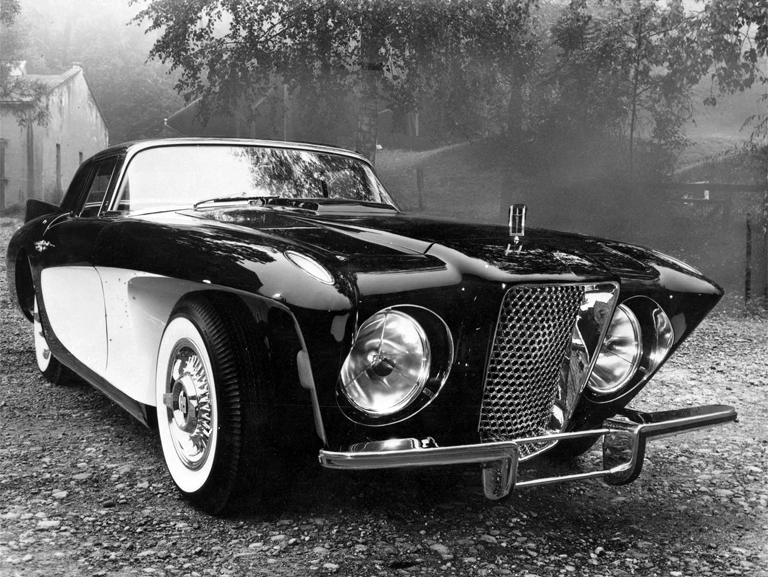
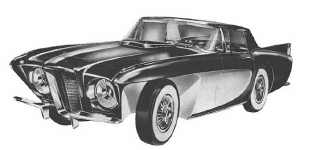
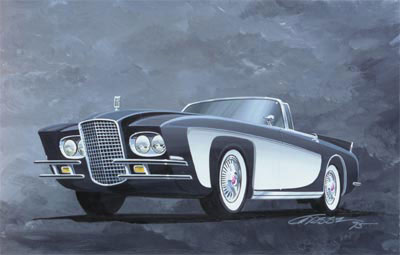
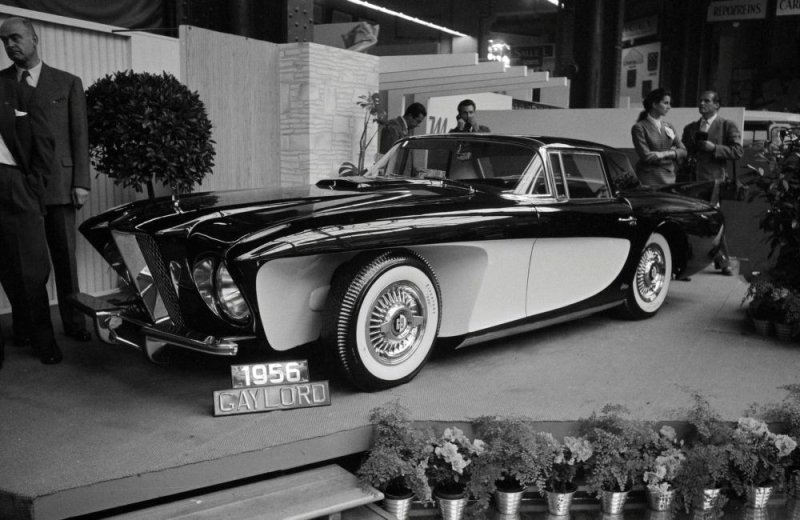
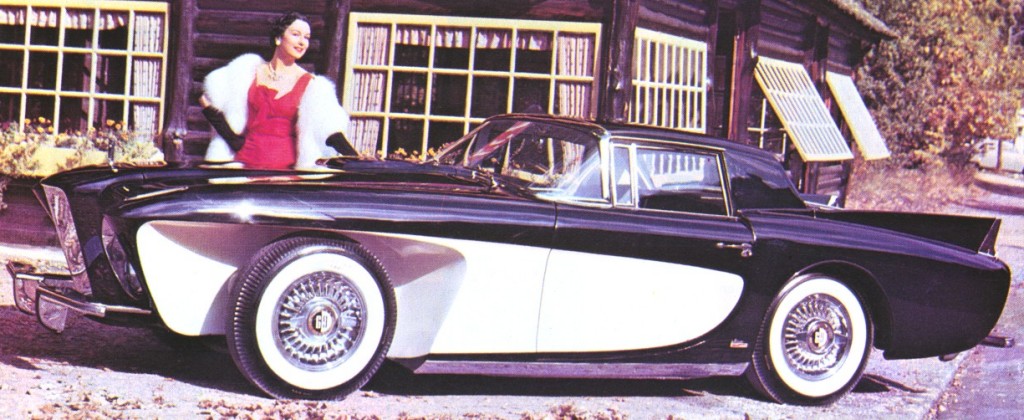
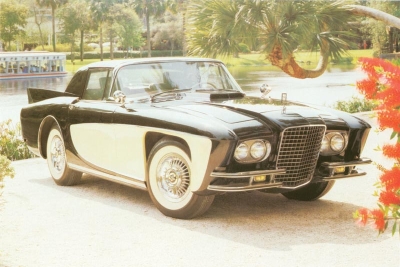
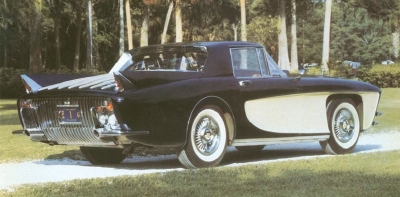
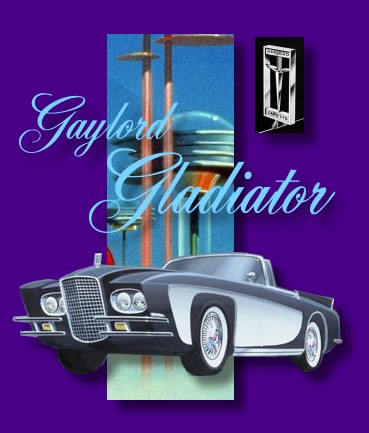
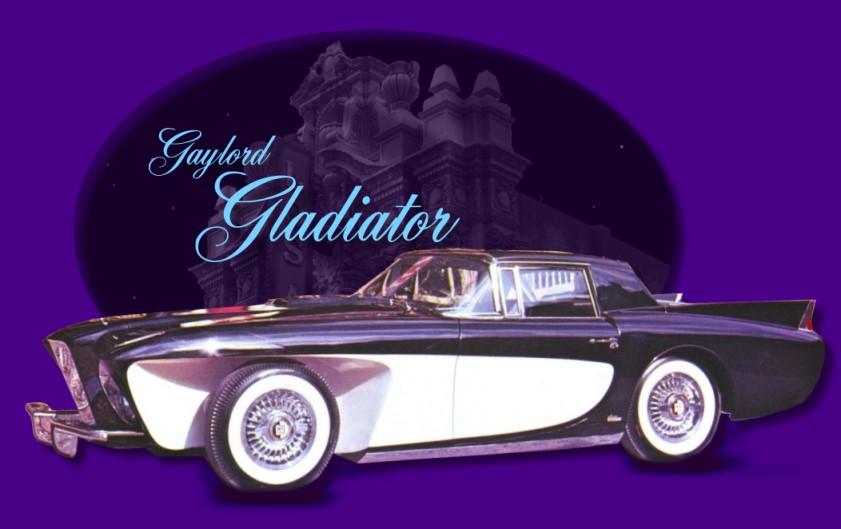
The 1955-57 Gaylord "Gladiator" sports car is one of the rarest and most unique of 1950s cars. Developed by the uber-rich Gaylord Brothers, Jim and Ed, of Chicago, heirs to the forture of the inventor of the bobby pin, it was conceived to compete with the world's very finest vehicles, including Rolls-Royce. The quality of the materials, and attention to detail, bordered on obsessive. And, the arresting shape of this ultra-luxe vehicle was penned by none other than legendary designer Brooks Stevens, who later went on to create the "neo-claissical" Excalibur cars of the 60's and 70's, and is also credited with the original Jeep Wagoneer (the "father" of all SUVs), the Studebaker GT Hawk and even the world famous Oscar-Mayer Weinermobile! However, Stevens was also responsible ungainly 1956 Cadllac Die Valkryie and the awkaward looking 1959 Scmitars, a far cry from the Gladiator. But, he certainly wasn't afraid to think outside the box. Don't you think the Gladiator would be better choice for a car for Cruella DeVille in the Disney movie "101 Dalmations"?
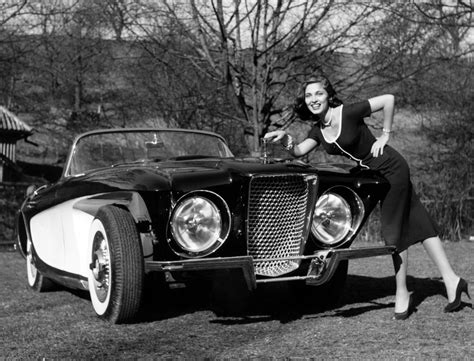
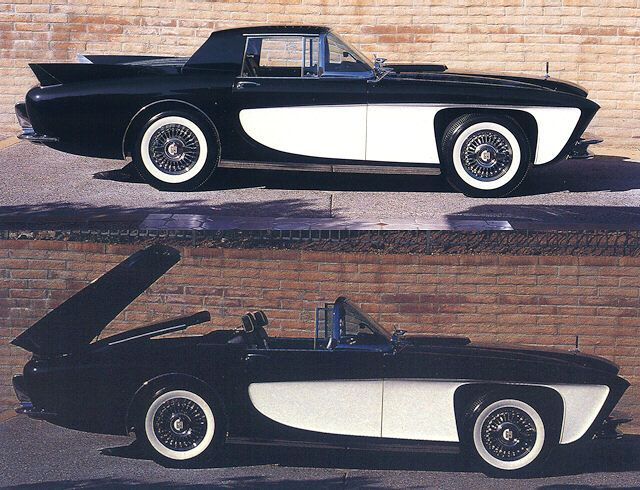
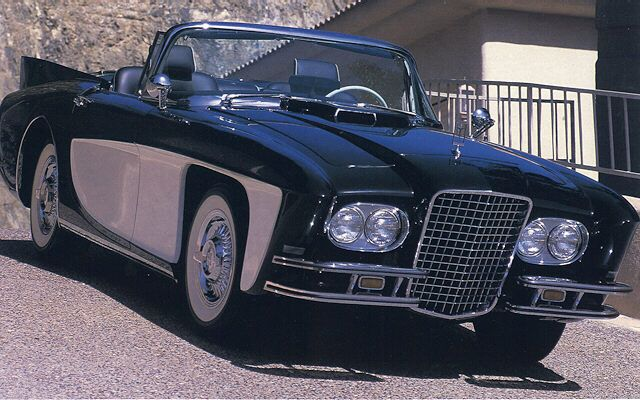
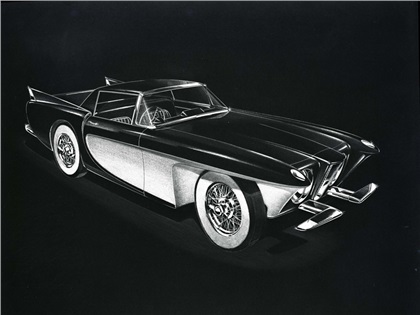
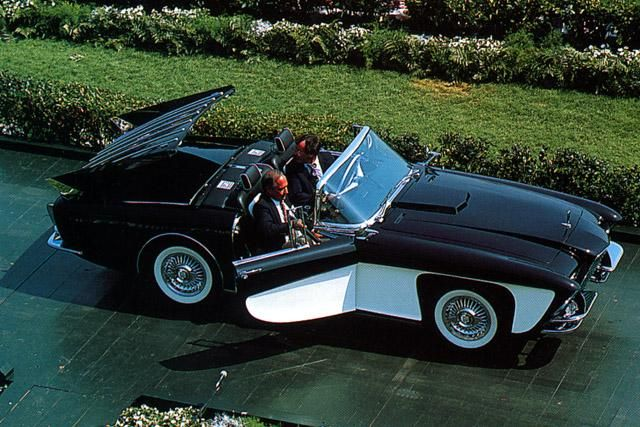
The Gladiator is also of historic significance in that it featured the very first automotive retractable hardtop. It was to be manufactured by the Zeppelin Company in Germany, for ultimate Germanic quality! The prototype/concept, with gargantuan Lucas P-100 headlights (used on topend pre-WWII British cars), made its world premier at the 1955 42e salon de Paris. Unfortunately, 25 orders were needed to keep the project afloat, but they never came. At $17,500 per (the equivalent of four Corvettes) this is not surprising. However, there were some buyers. Deposed Egyptian King Farouk was one and Hollywood star Dick Powell was another. Grace Kelly and William Holden placed orders.
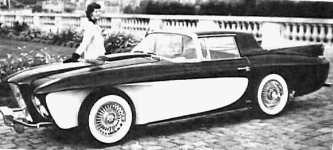
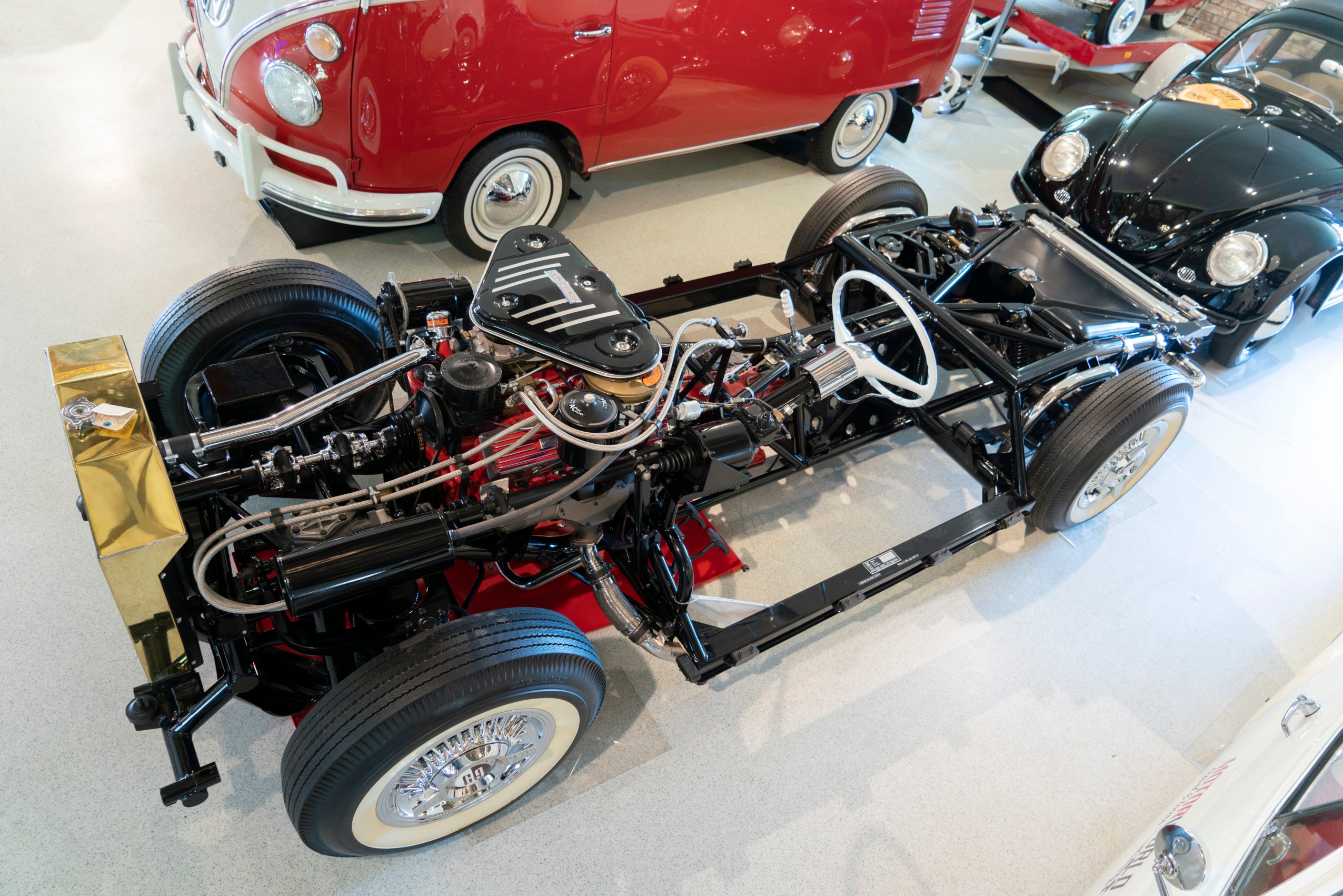
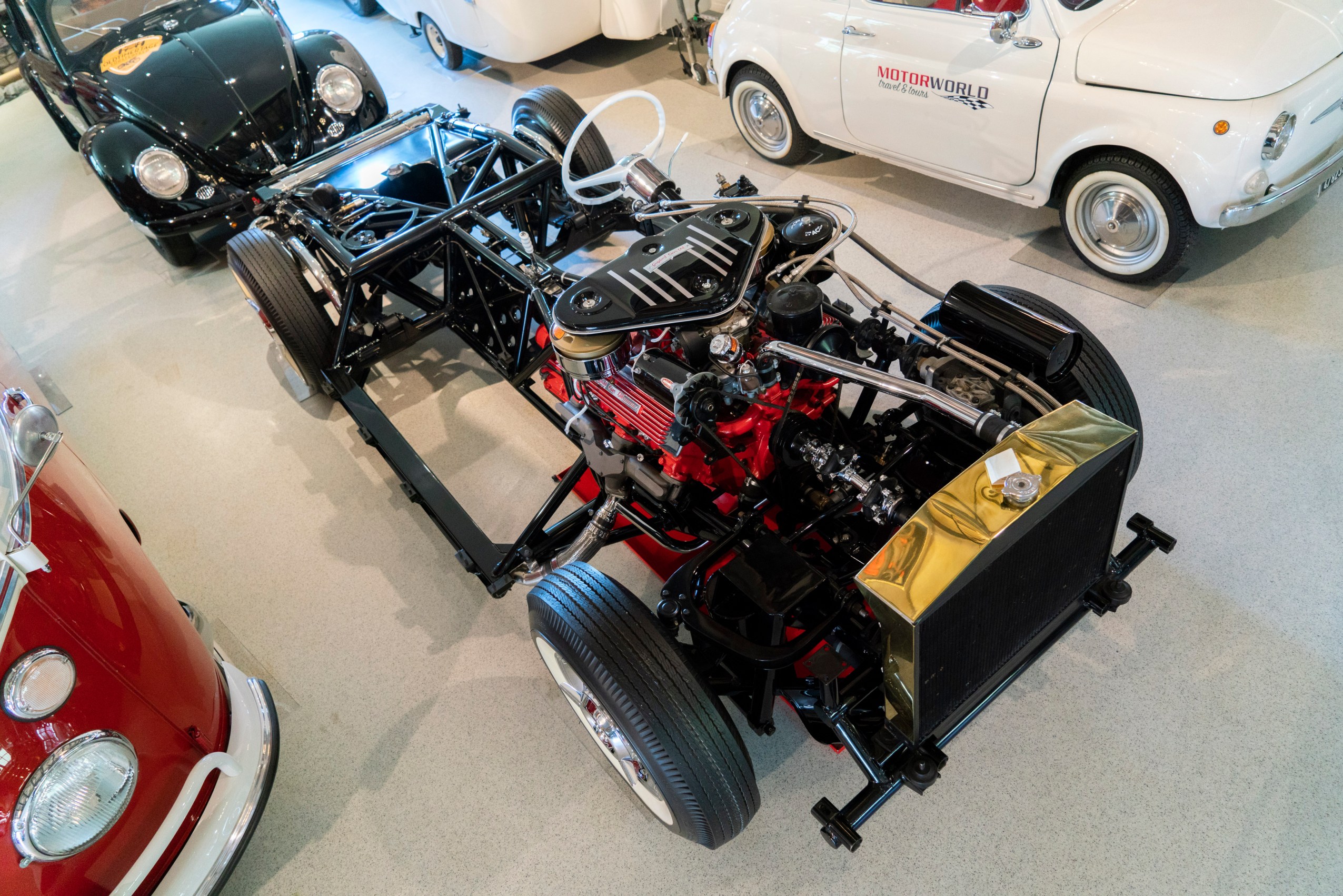
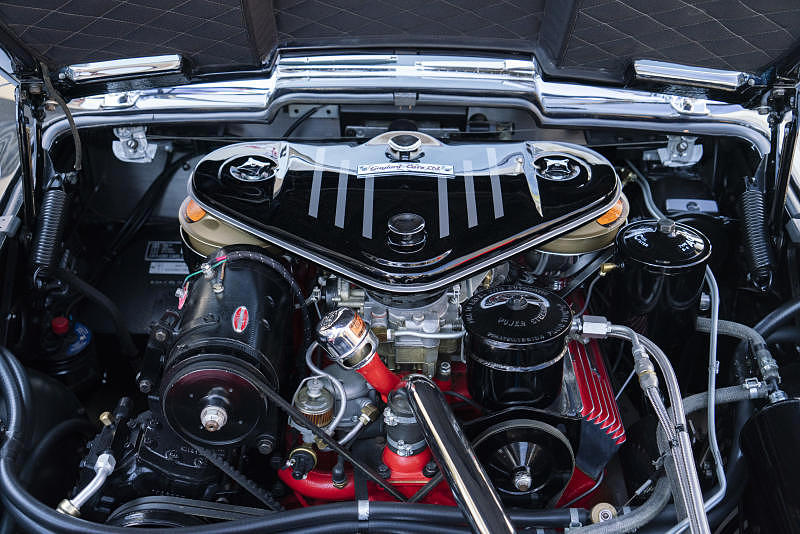
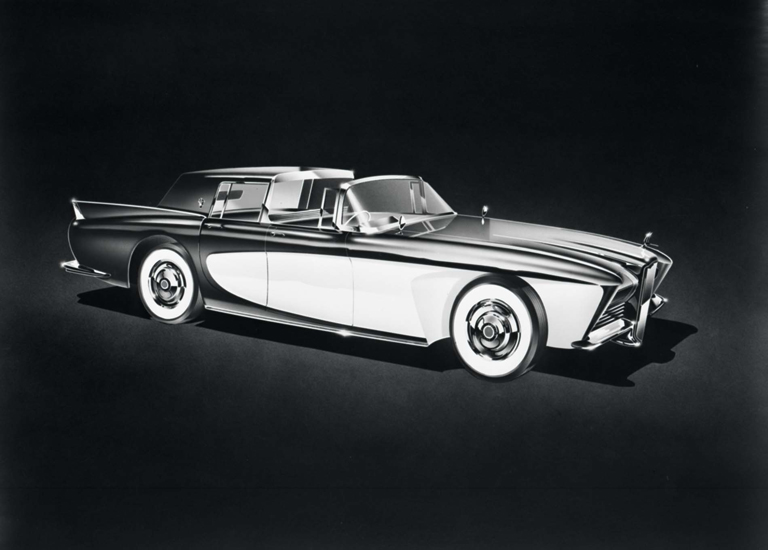
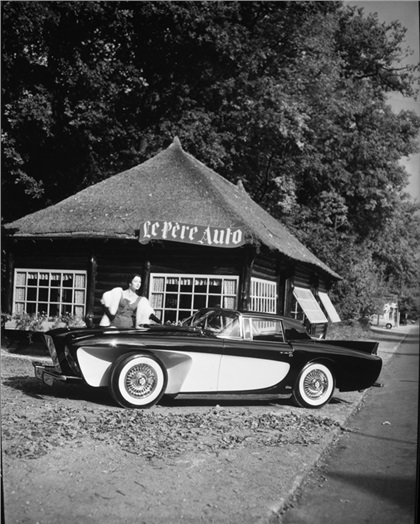
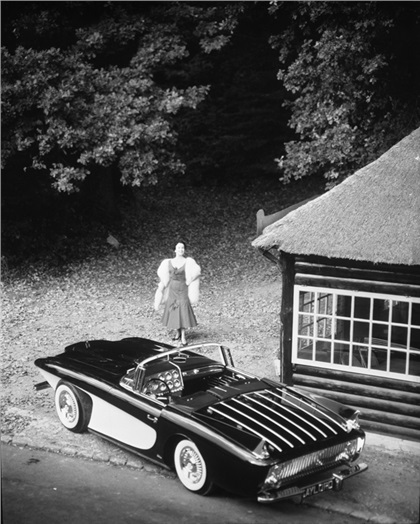
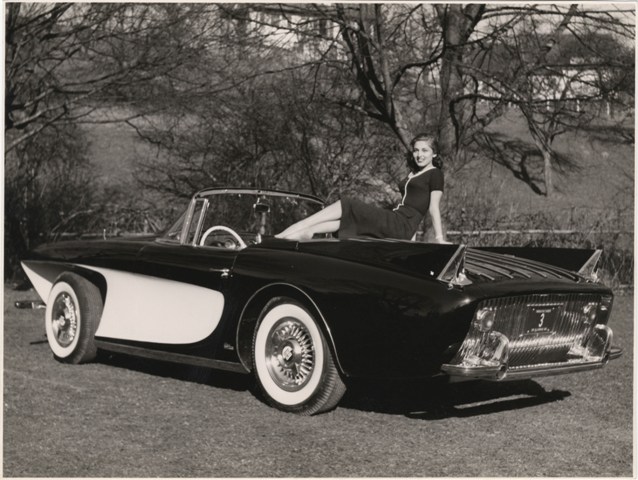
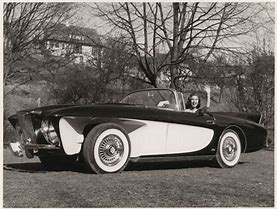
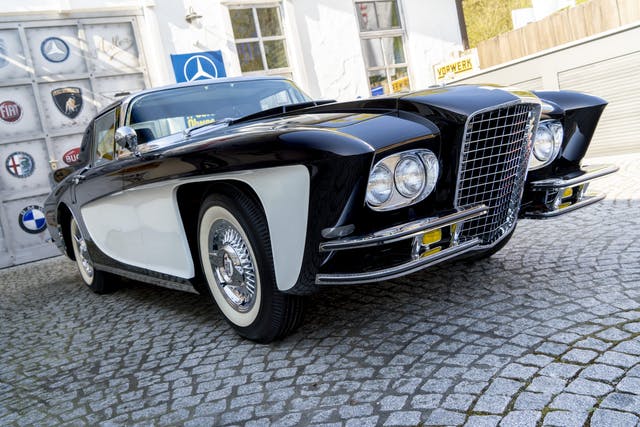
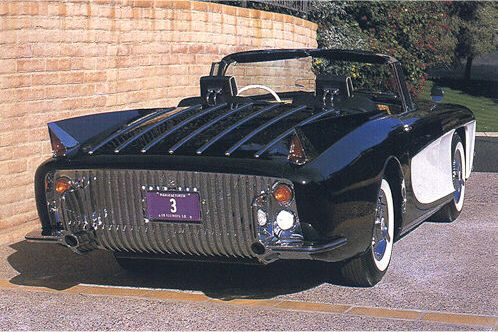
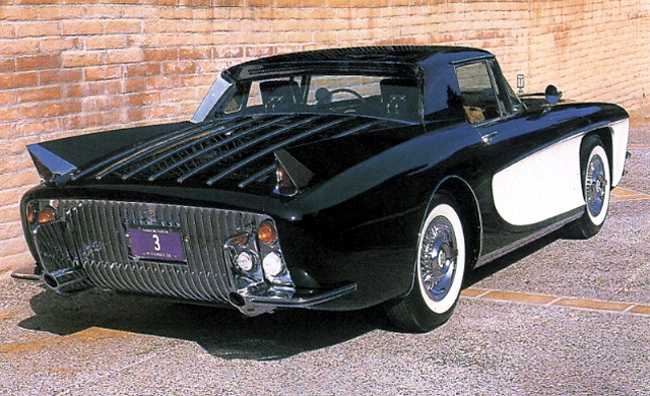
There were actually two distinct versions of the Gladiator. The prototype, handcrafted by Hermann Spohn Company in Ravensburg, Germany, with the P-100 headlights, came in two versions: a 2 door and a 4 door phaeton (model only, never made), both with exposed front (scalloped) wheels. The tamer "production" version to be made by Zeppelin had enclosed front wheels and conventionally-sized "quad" headlights, which were just coming into vogue in the US. (I much prefer the prototype Gladiator, the original concept.) The original fender/headlight style was dropped for production apparently because of roadway debris. The enclosed wheel wells also featured illumination. Jim Gaylord was such a perfectionist that he is rumored to have had a nervous breakdown as the project neared completion. As for performance, the Gladiator prototype was powered by the most powerful engine available, a 365-cid Chrysler Hemi V-8 (also used in the gorgeous 1955 Chrysler C-300, the first 300 hp production vehicle) but the production versions were to have a 305 hp Cadillac V-8, with dual 4 bbl carburetors, instead connnected to a Hydra-Matic four speed transmission. In fact, the drivetrain was the same one used in the Cadillac Eldorado. The Gladiator tipped the scales at almost 4,000 pounds, yet could hit 120 mph easily and accelerate from 0-60 mph in 8 seconds, which was rather spectacular for the day. However, it also cost almost twice as much as the most expensive Cadillac of the time, the stunning 1957 Cadillac Eldorado Brougham, which sold for $10,000. Regardless, the level of quality was unmatched and the chassis design was so advanced that no other car from the era could touch it performance-wise. .Jim Gaylord also designed a very strong chrome-molybdenum tubular chassis, using coil springs and A-arms for the front suspension and a beam axle with leaf springs for the rear. The suspension made extensive use of rubber and the passenger compartment was virtually impervious to shock from rough road surfaces while maintaining unparealled handling and cornering ability for the time.
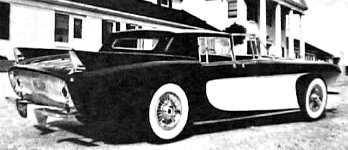
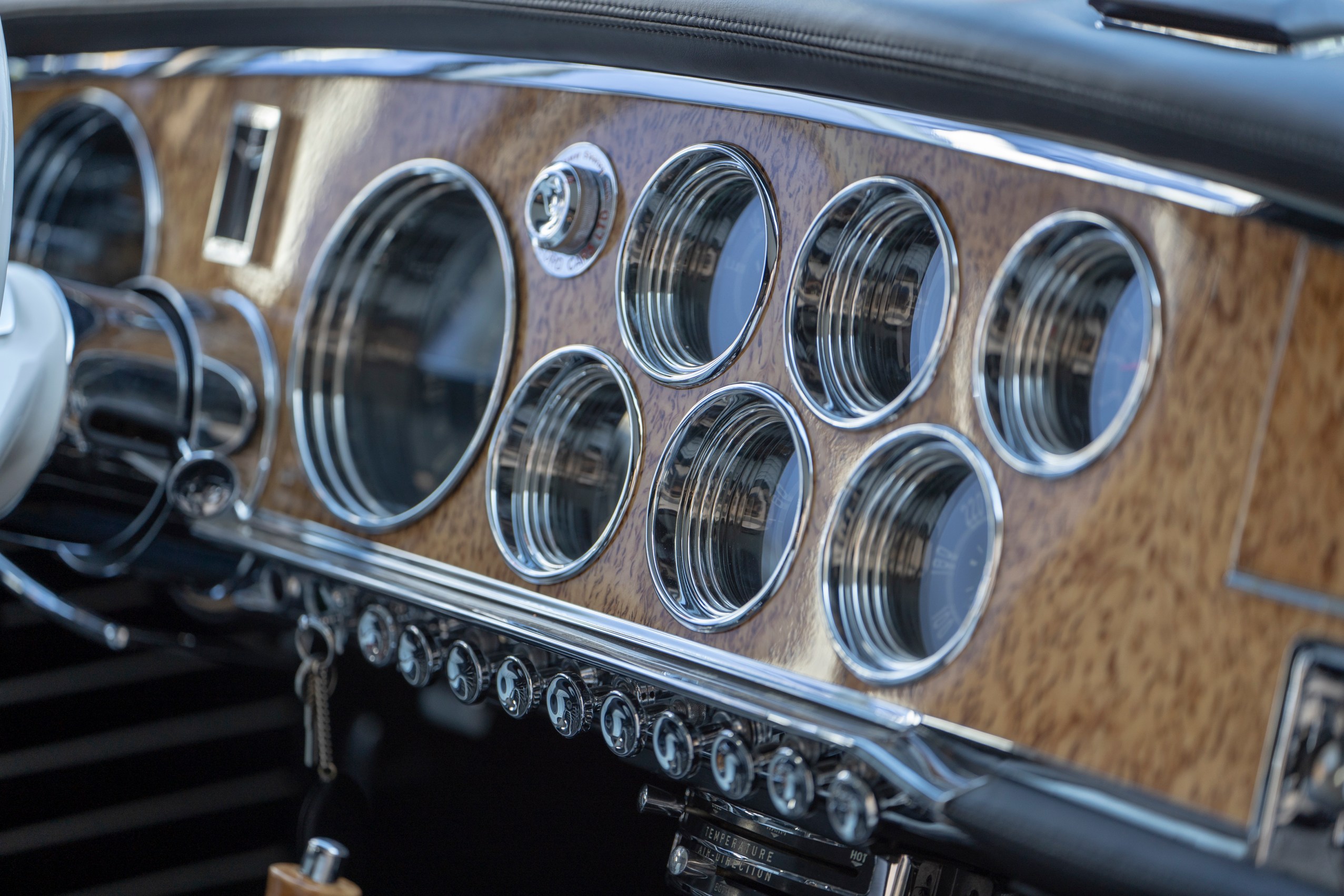
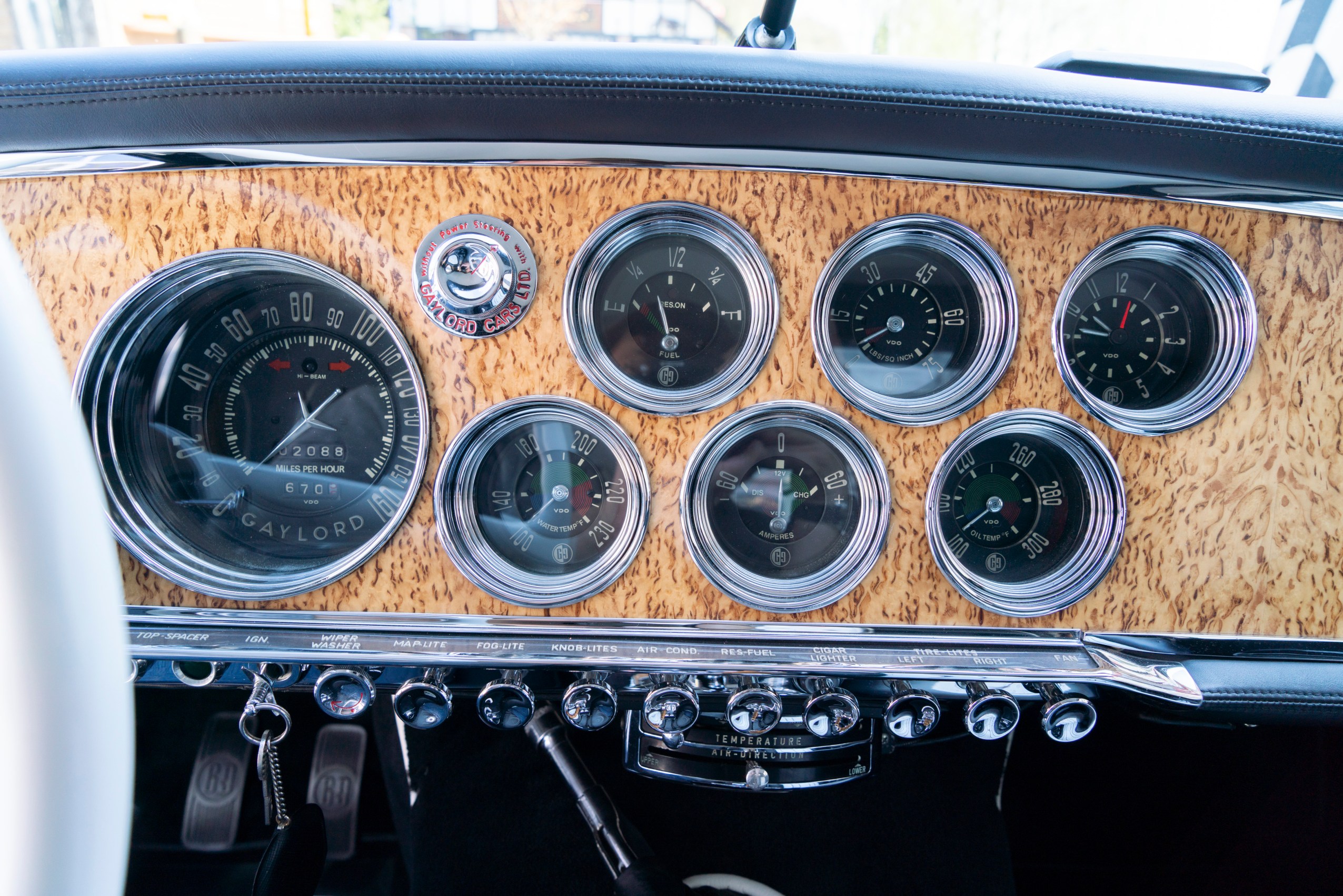
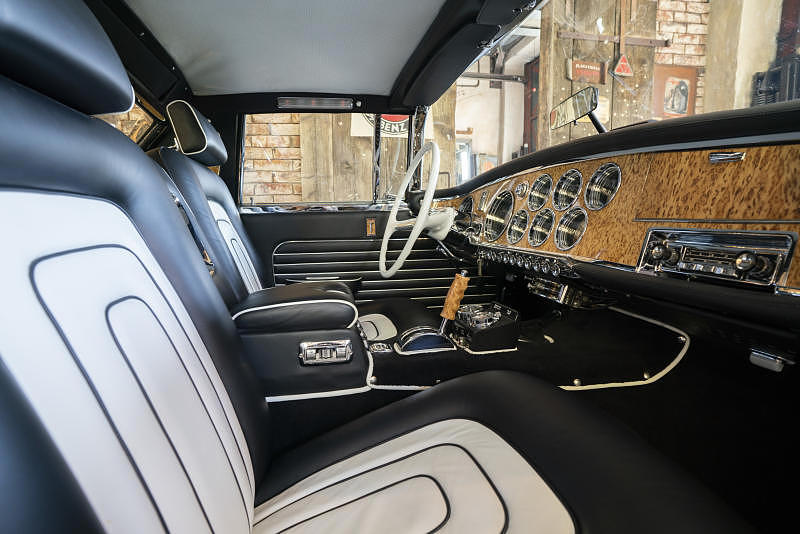
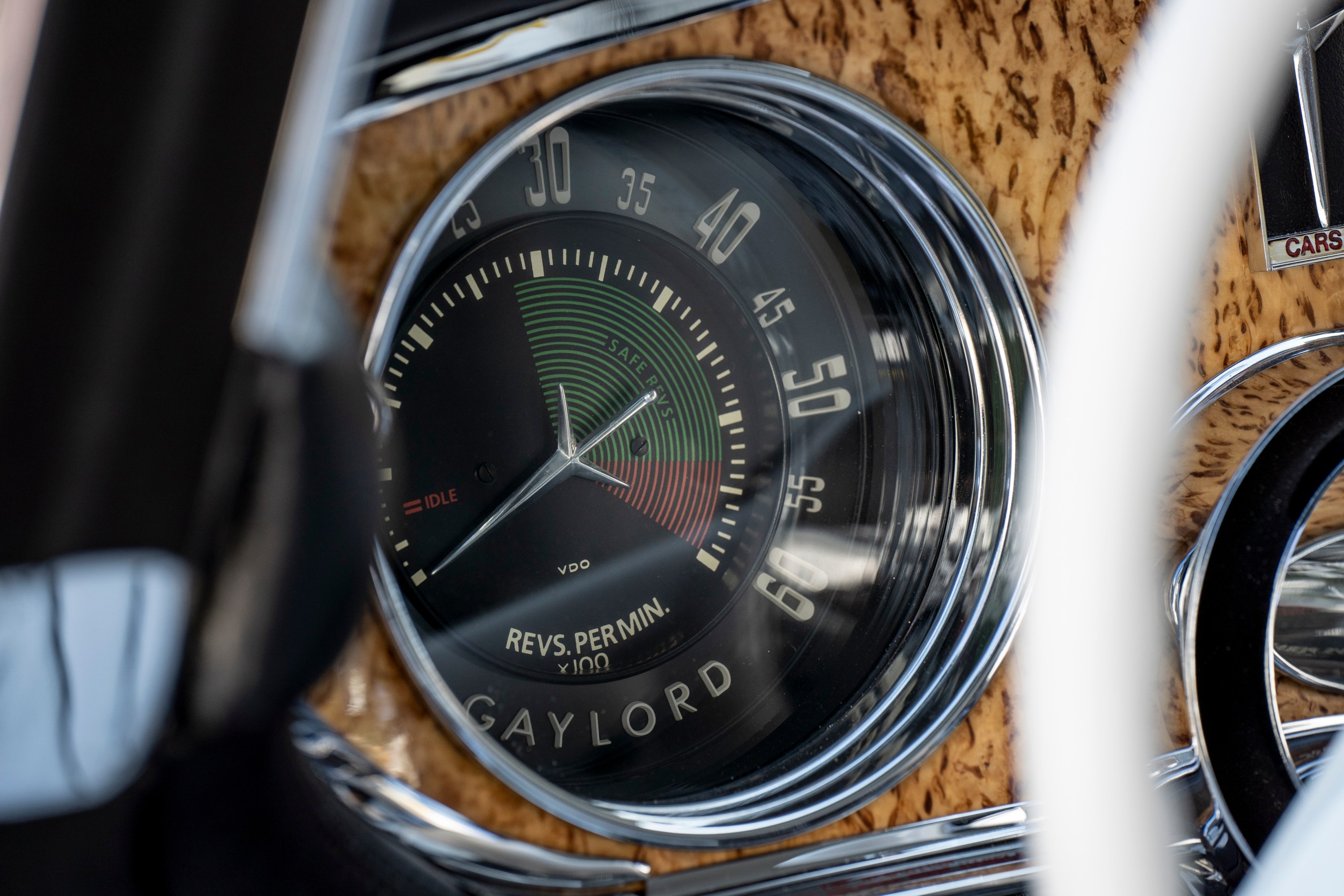
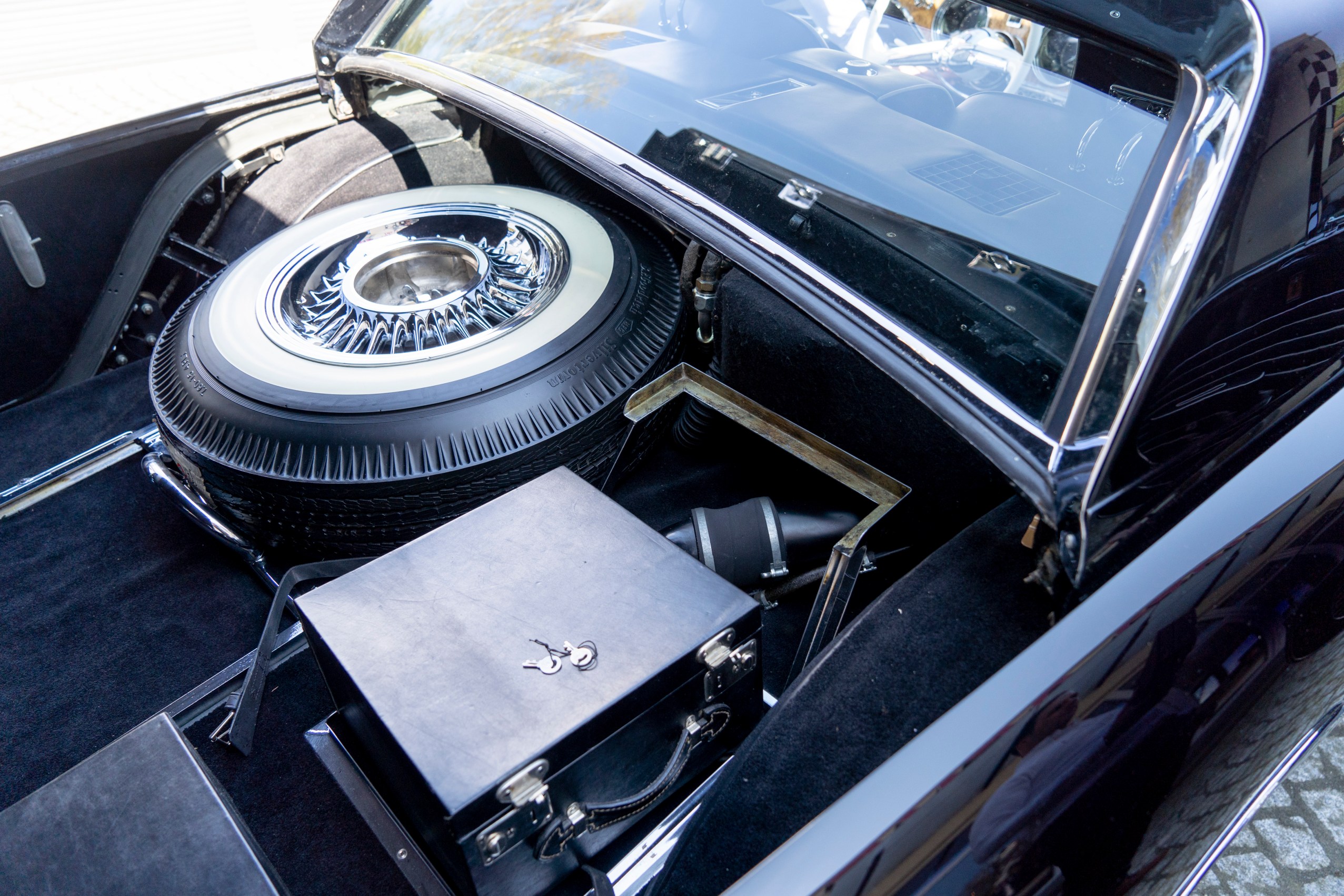
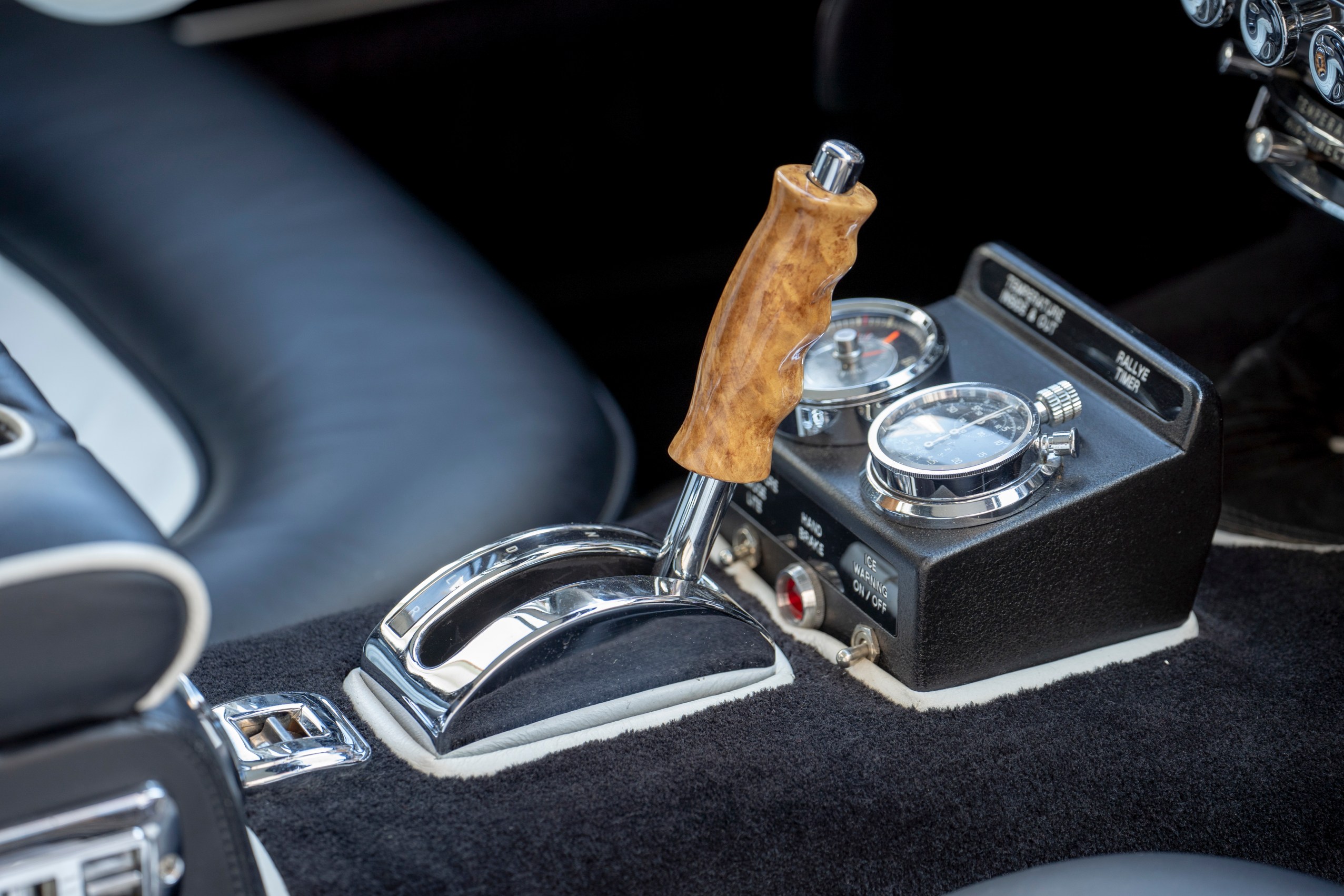
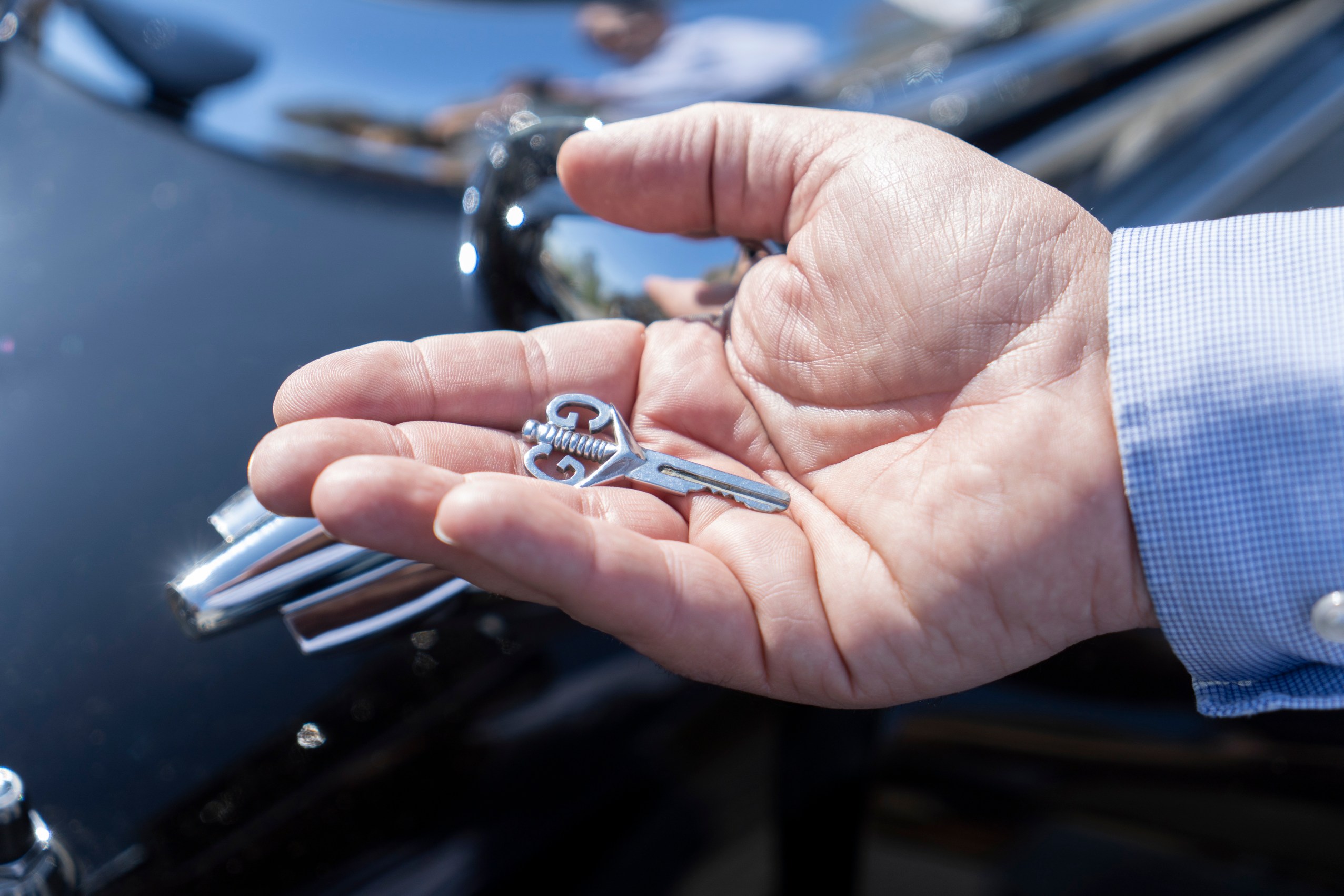
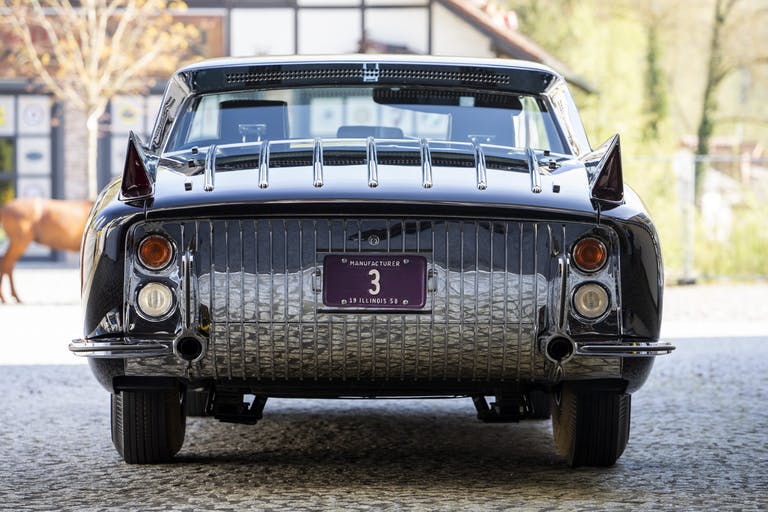
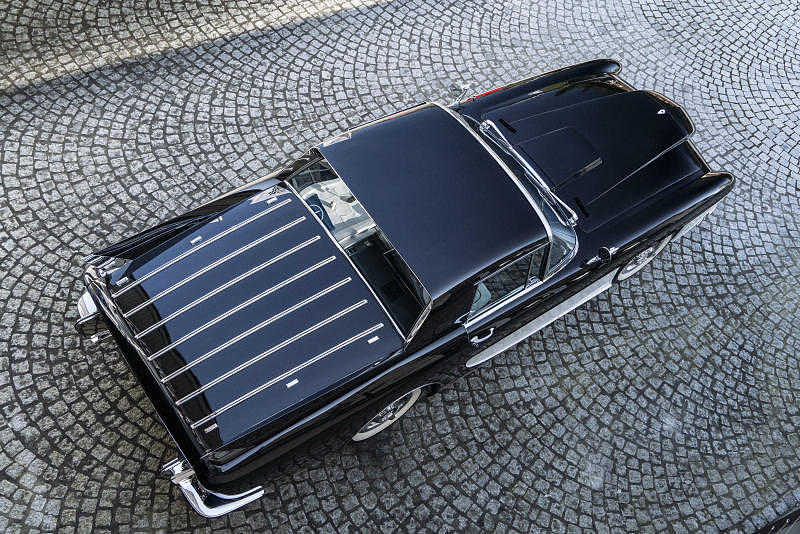
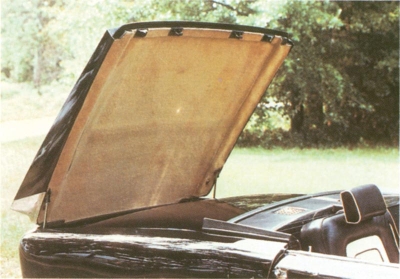
Luxury also abounded within. The cockpit was trimmed in the finest leather and burled wood. Real chrome (plastichrome had not yet been invented) accents were everywhere. On the wood dash, cutomized VDO gauges, branded "Gaylord" with the Gladiator's sword motif, stared out at the awestruck driver. Even the spare tire was presented on a tray with chrome rails which slid out from a hatch in the lavishly chromed rear end. The steering effort itself could be controlled by a hydraulic servo unit from the driver's seat. The Gaylord's first ever retractable hardtop roof was particularly ingenious. With the mere push of a button, the rear decklid rose on a pair of electric supports, then the top was pulled back into the trunk by a chain drive. The roof itself contained a recessed rear window with extractor vents for stale cabin air. It was reported that Ford stylists took many photos of this system when the Gladiator was on display at the Salon, but the subsequent Ford retractable system, which first appeared in the 1957 Ford Skyliner, was a much more complicated affair than that in the Gladiator. The Gladiator system used only one motor whereas Ford used seven!
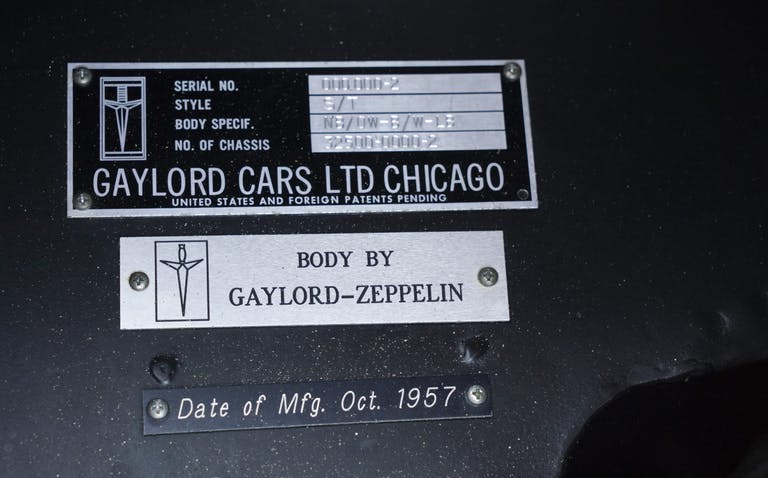
The the Gaylord Brothers' overall concept was to produce a small batch of 25 cars price at $10,000 each. But, the car was simply too expensive to produce. To remain viable, the price was intially raised to $15,000 and then to $17,500, which was more than twice as much as a Mercedes 300SL at the time. So, it was the the end of the road. There is some dispute as to how how many Gaylords were actually completed. There is the outrageous owl-eyed Spohn prototype, which litereally disappeared. And, two of the Zeppelin-Gaylords were supposedly seen at one time toegether at the Silver Springs Early American Antique Car Museum in Ocala, Florida, although it appears to have shut down long ago. However, according to the Zeppelin Group website, only three chassis of the Gaylord Gladiator were produced and only one of them was actually completed. There existed two more unfinished chassis. One was lost and the Gaylord family retained the other, which was "put into restoration" in the mid-90's. After Jim Gaylord's death his wife became the owner in 1999 and sold the complete Gladiator to Mr. Ralph Carrungi in Arizona, including the chassis, spare parts, design drawings and other historical documents, in 2015. Mr. Carrungi then began researching the car's origins and noted the "Zeppelin" engraving in the engine compartment. He thereafter contacted the Zeppelin Museum in Frederichshaven , where the Gladiator was unveiled in May, 2018. The Zeppelin Group was then offered a chance buy the car, the remaining chassis and all the documents, to honor and preserve the Group's history which they promptly did. According to the Group's websidte, the Gladiator and it chassis is now a major tourist attachtion in Frederichshaven.
Before the Gladiator migrated back to Germany, Mr. Carrungi authorized this excellent video, which details just how stunning this car truly is. For more information about the Gladiator, there is even a full review from 1981 in Special Interest Autos.
|